Your home
in Pico
Four unique spaces. One unforgettable island. Direct booking — simple, fast, and quiet.
Our houses
Our houses
Choose your ideal home — clear details and simple booking.
Experience in Pico
Five reasons
to stay one more day
Nature, vineyards and flavors at the island's pace.

Want a quick itinerary?
Tell us how many days you're staying and your style — we'll send suggestions via WhatsApp or email.
Our Story
Casas do Vinagreiro.
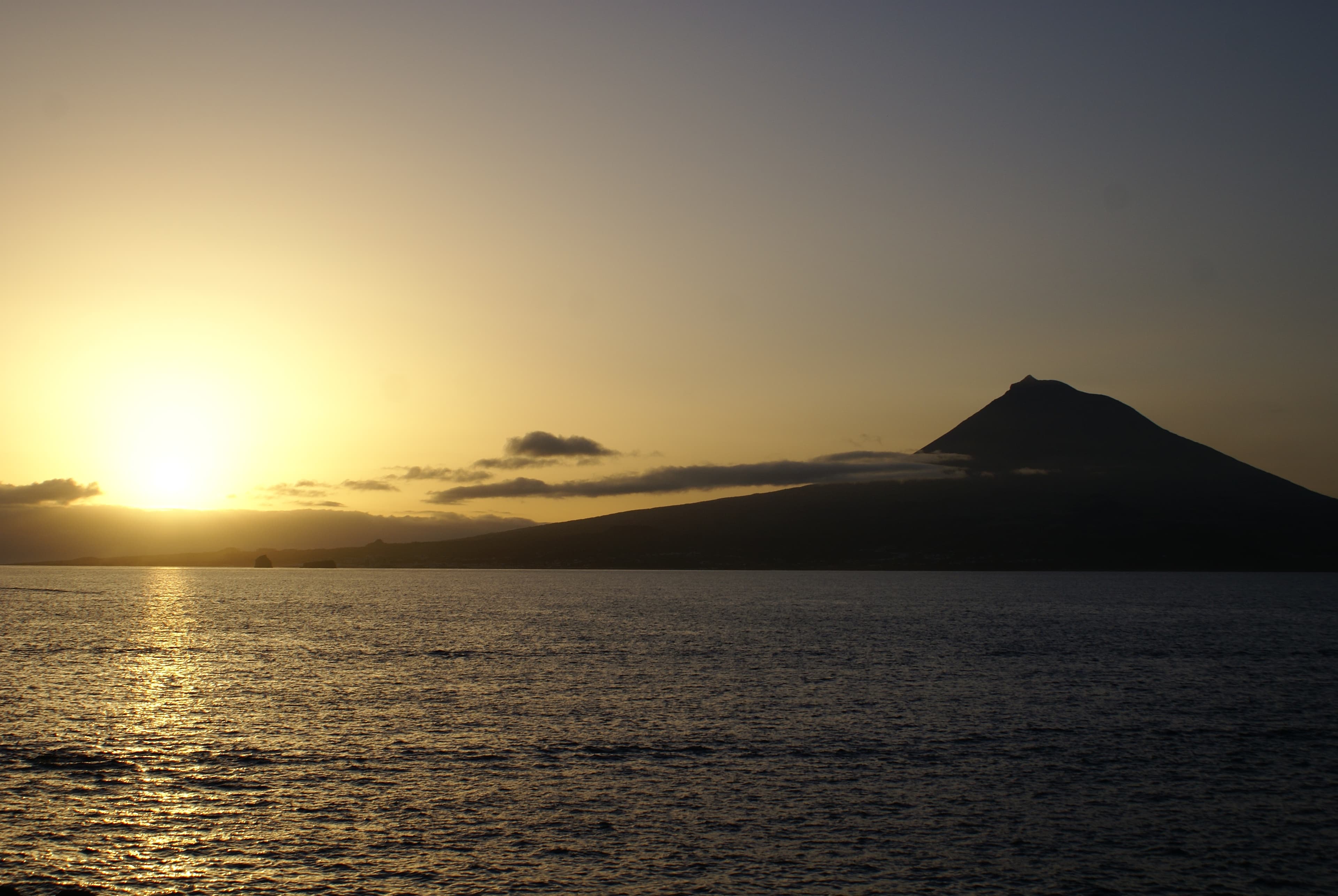
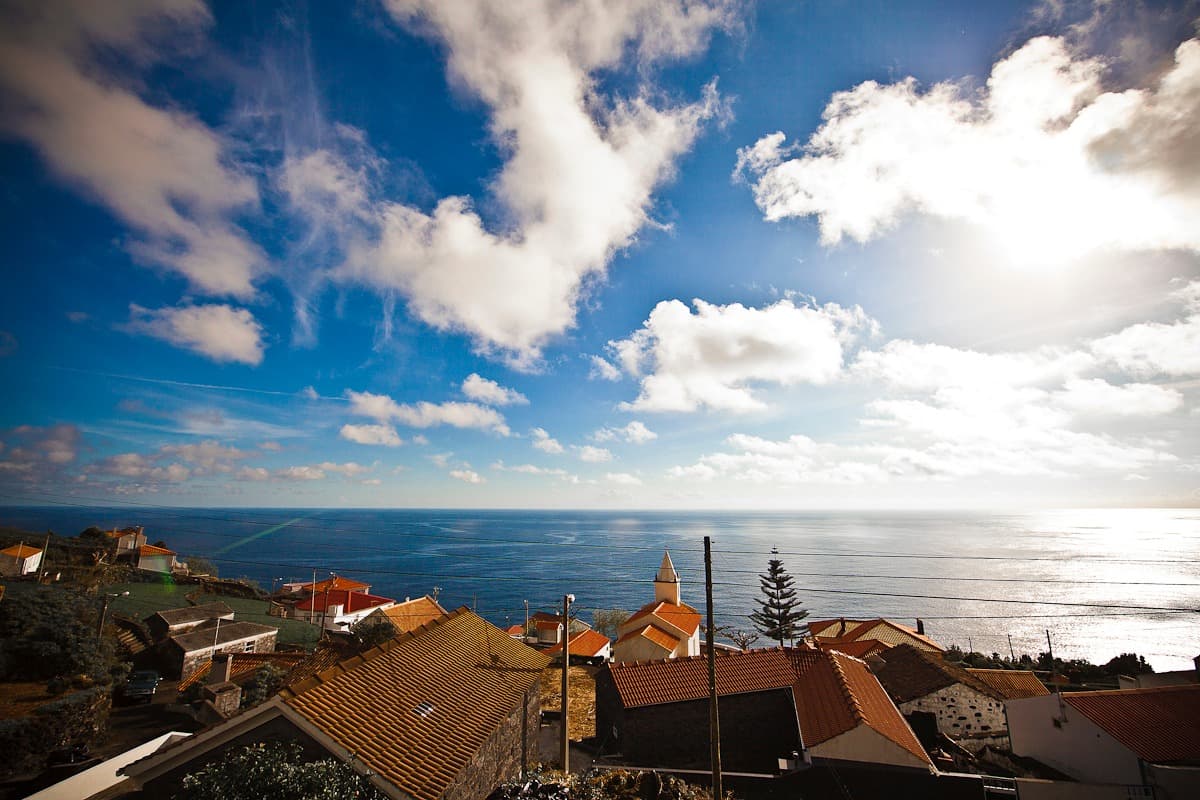
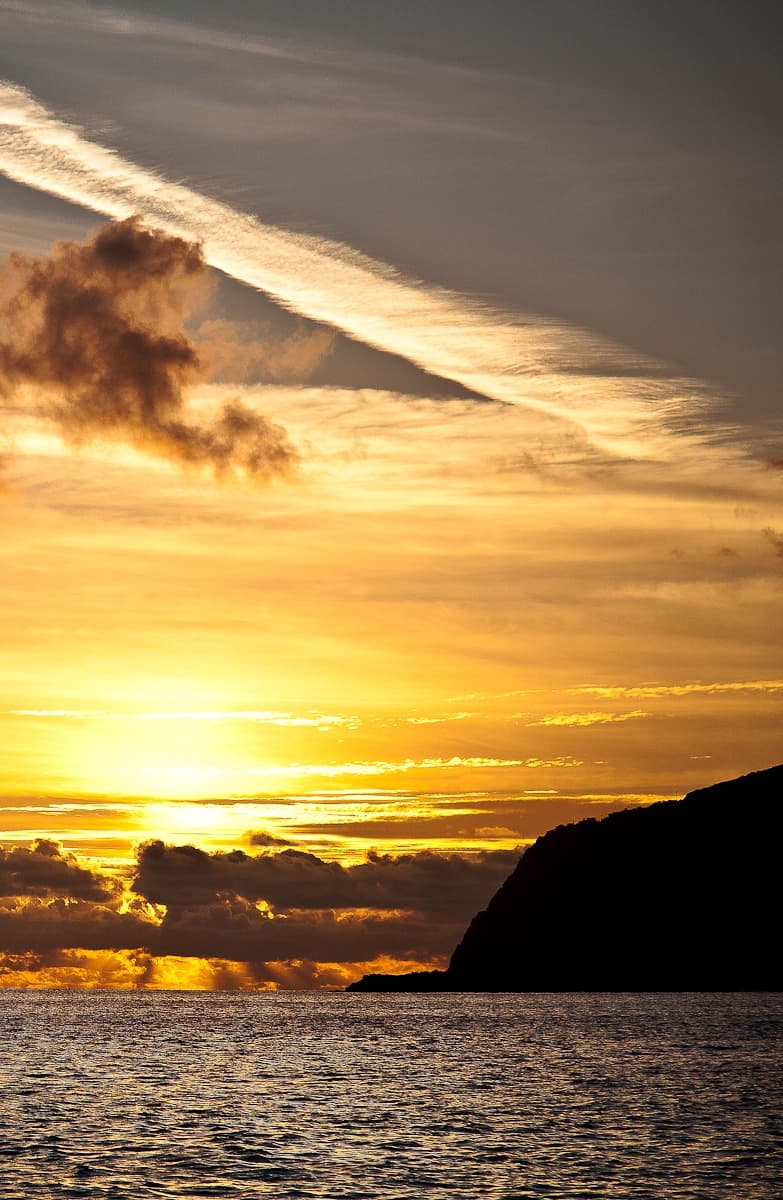
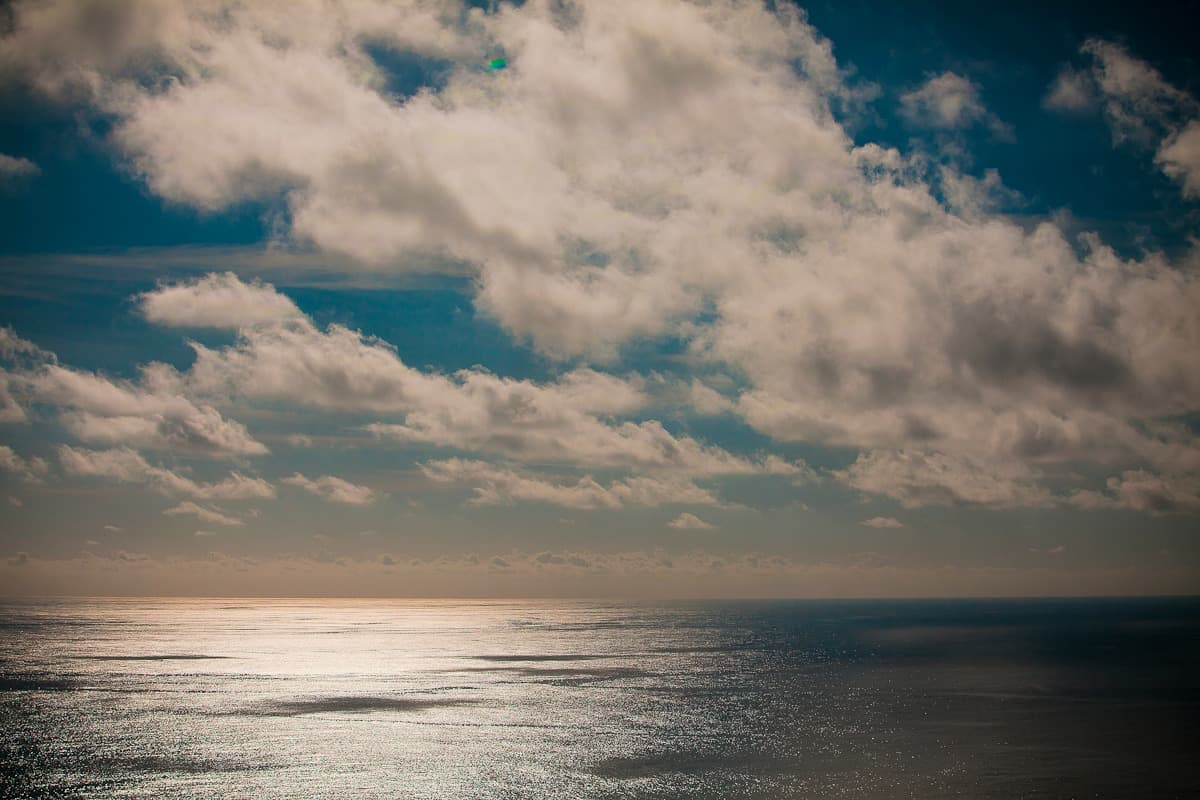
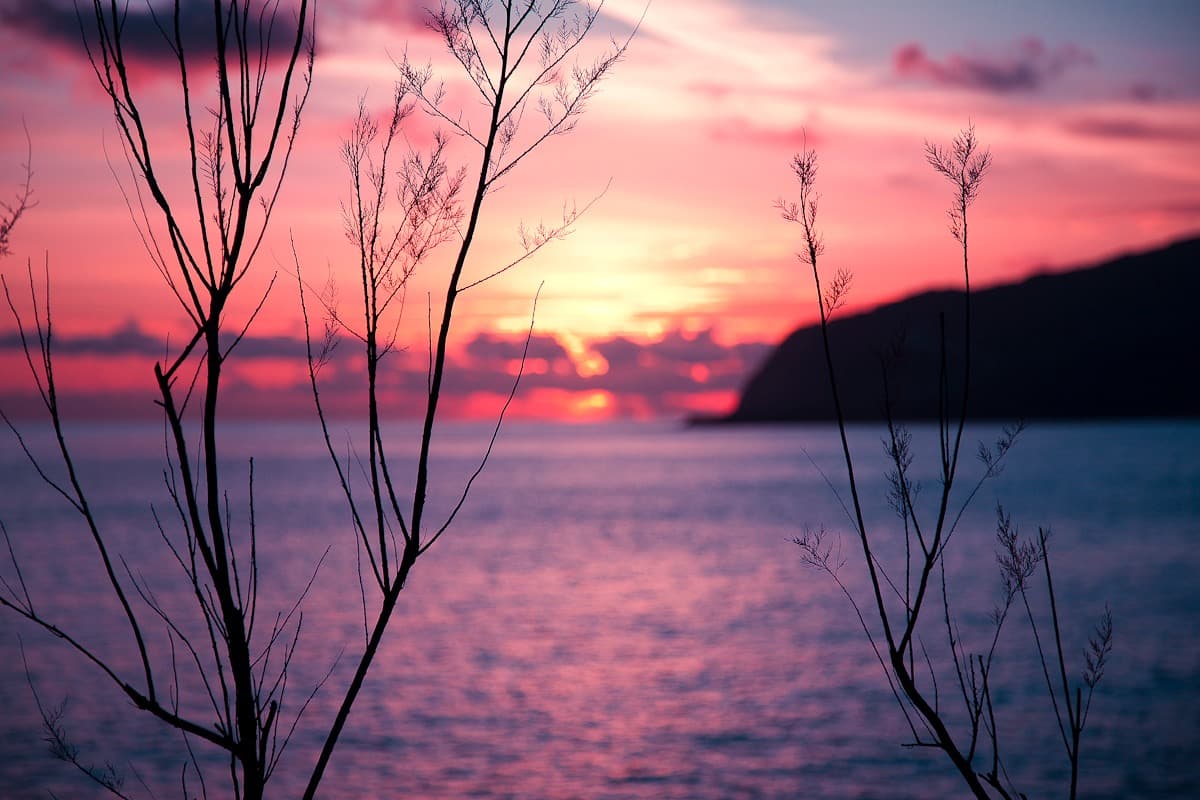
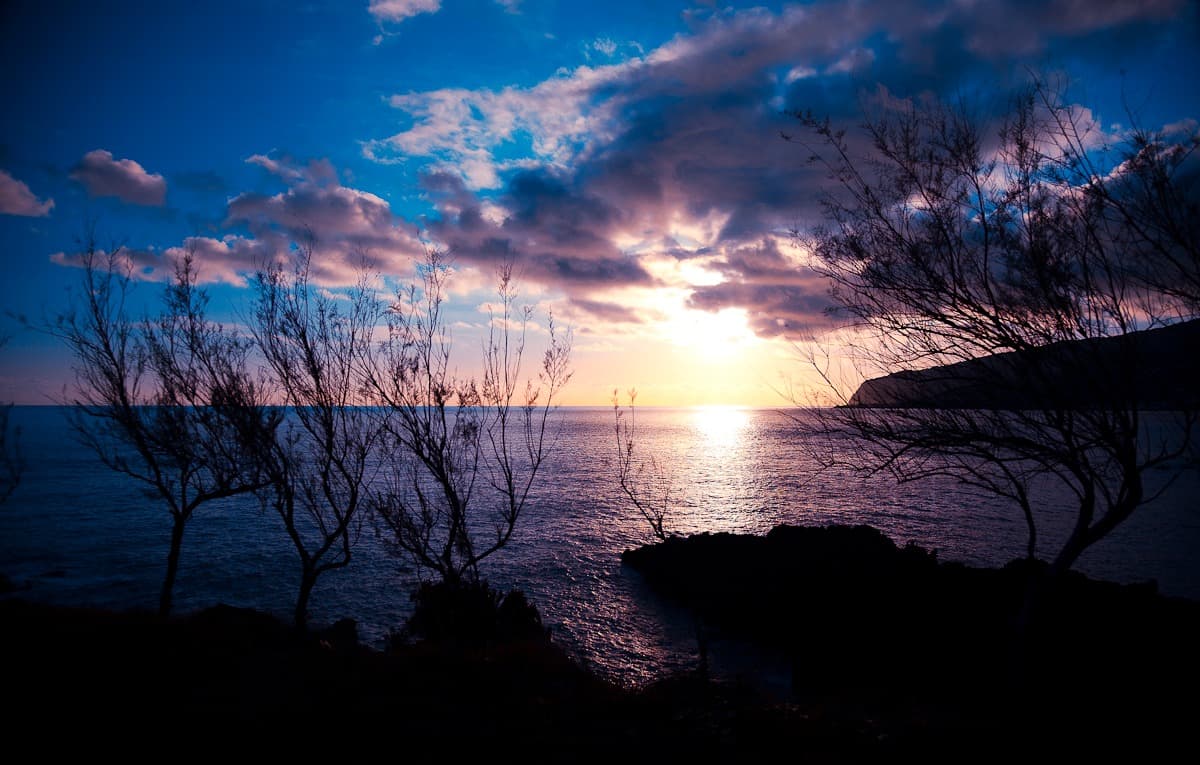
On the southern slope of Pico Island, overlooking a wide bay halfway between the sea and the mountains, lies the village of Pontas Negras — a small settlement of about fifty houses, two kilometres from Ribeiras and ten from Lajes do Pico.
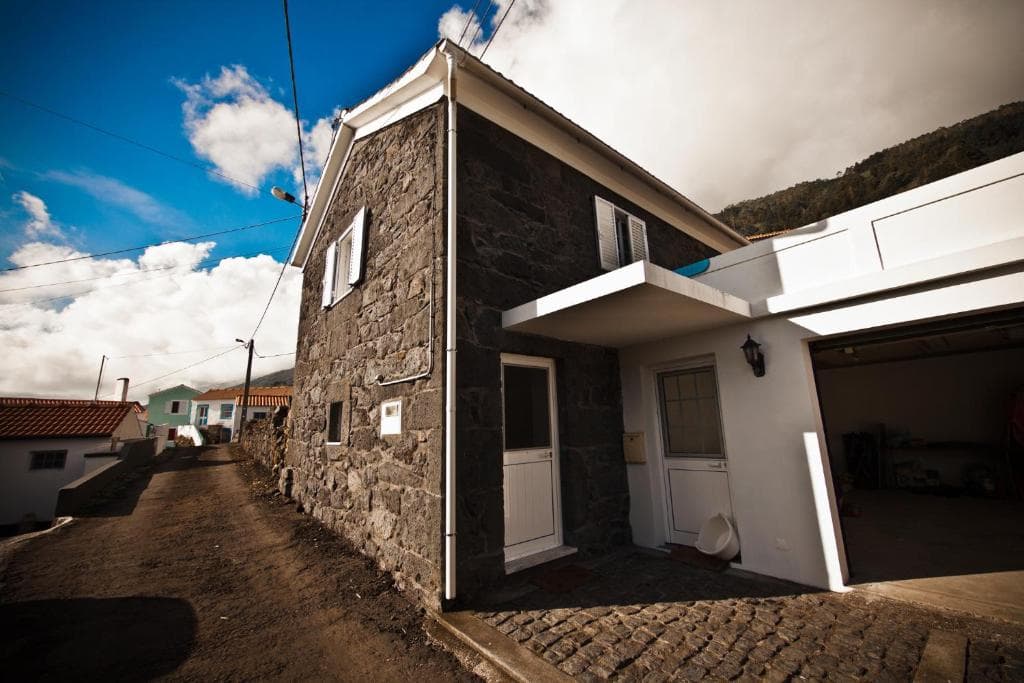
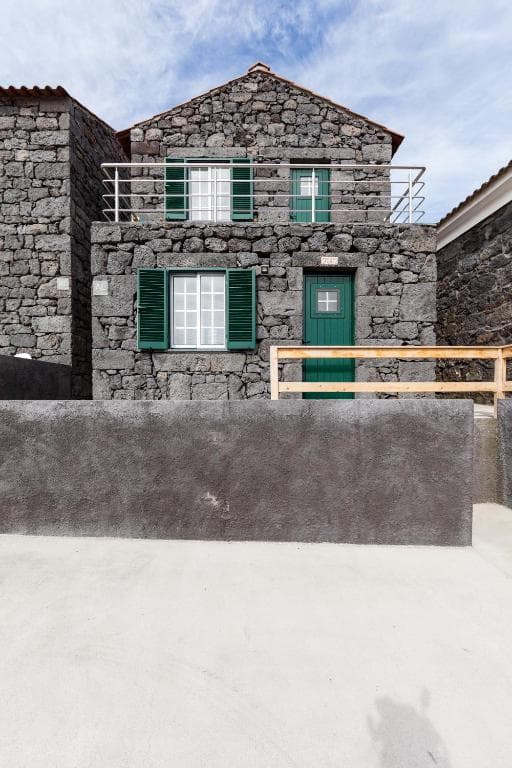
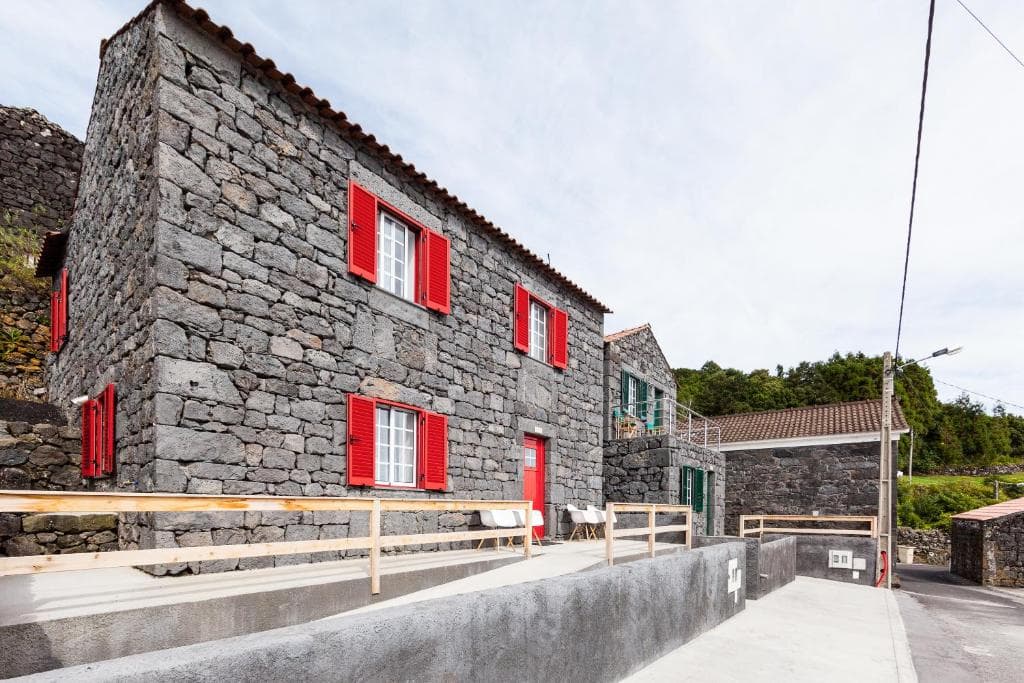
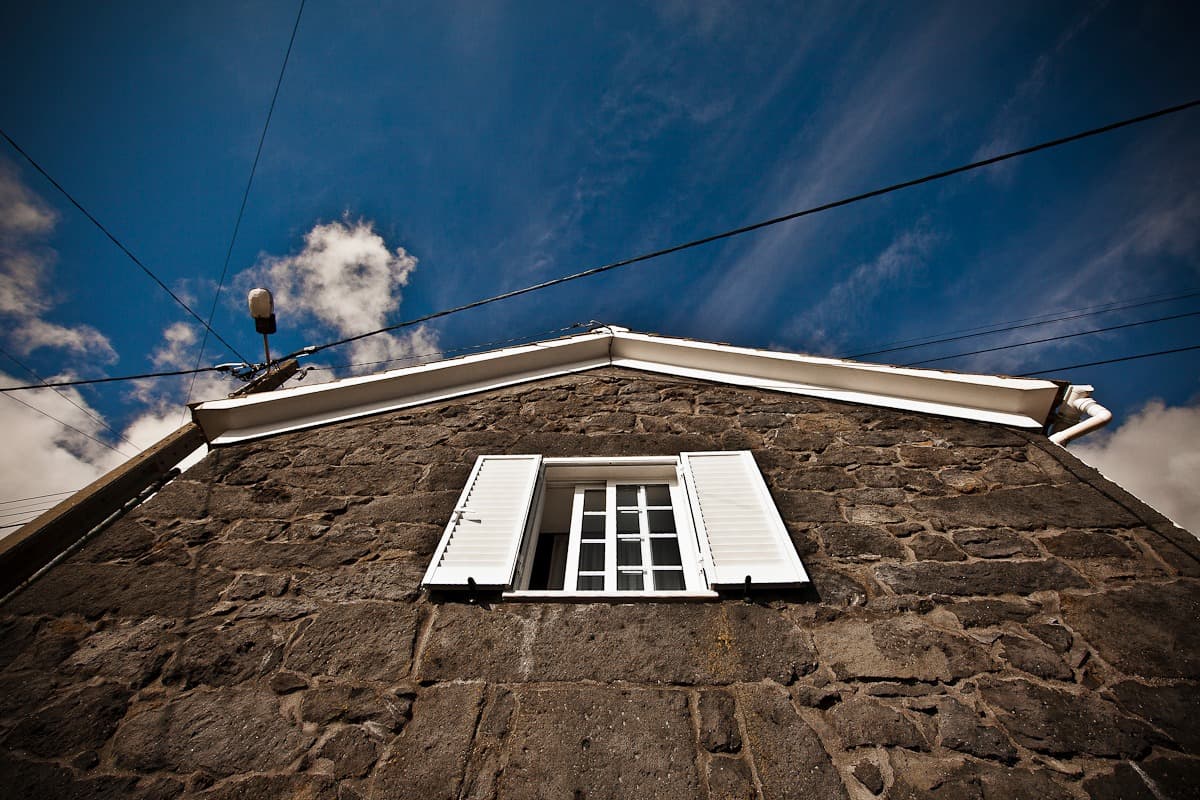
Located in this welcoming village, the Casas do Vinagreiro are rural houses with a traditional character dating back to the 19th century.
Built by my grandfather, known by the nickname "Vinagreiro", upon his return from the United States of America, the Casas do Vinagreiro took on his name.
"Pico is the most beautiful, the most extraordinary island of the Azores, of a beauty that belongs to it alone, of an admirable colour and with a strange power of attraction. It is more than an island — it is a statue raised to the sky and battered by fire."
Pico Island
The most extraordinary
island of the Azores.
Pico Island is the second largest island of the Azores Archipelago, in the North Atlantic. It is 8.3 km from Faial Island and 15 km from São Jorge Island. It has a surface area of 447 km², a coastline of 151.84 km and 31 islets.
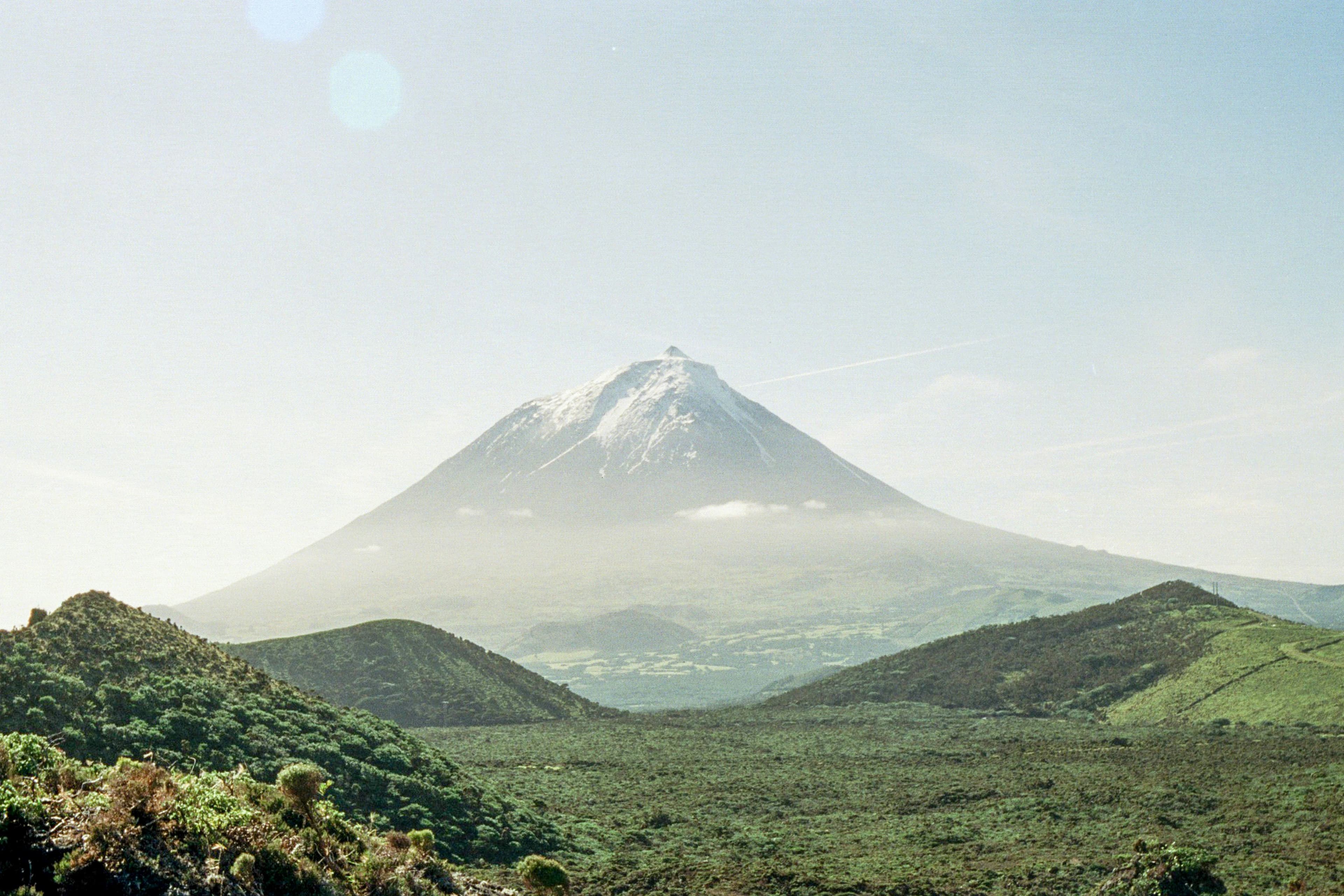
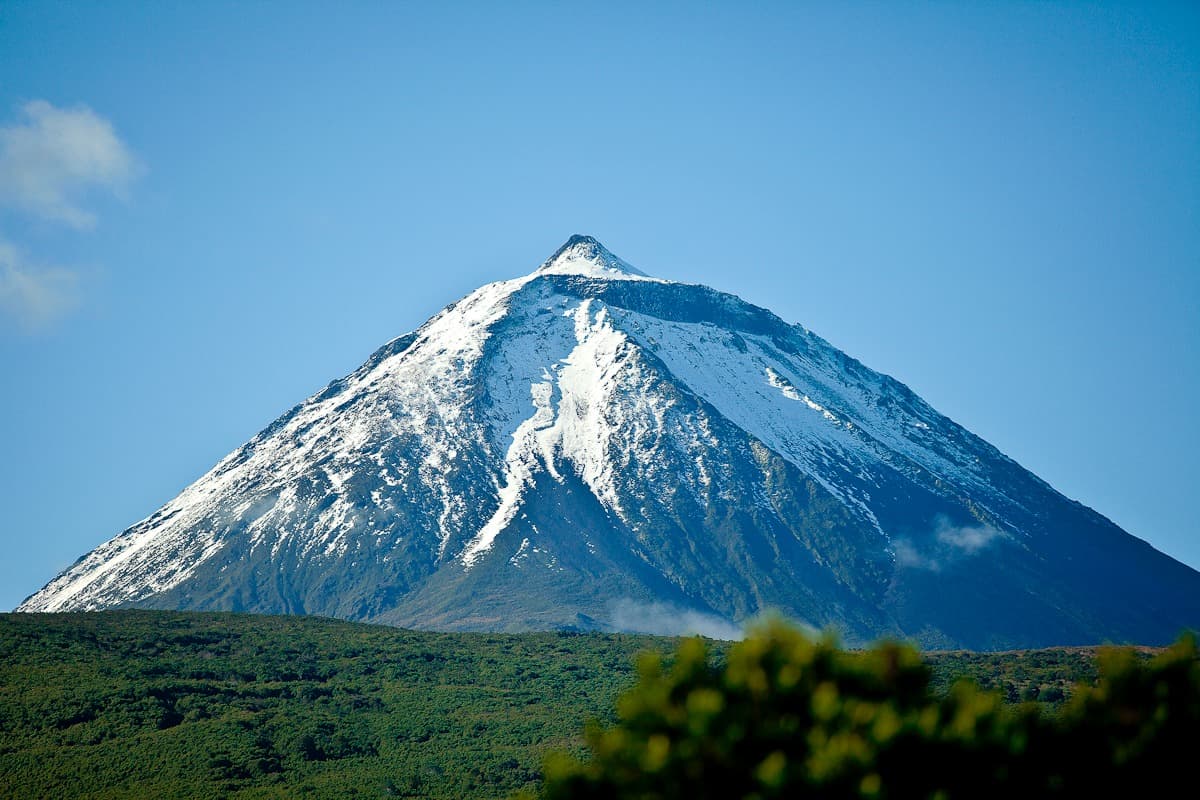
It is about 42 km long by 20 km wide and owes its name to the majestic volcanic Pico Mountain, which culminates in a pronounced peak — the Pico Pequeno (Piquinho).
Pico Mountain is the highest mountain in Portugal and one of the greatest elevations emerging from the Atlantic, reaching 2,351 metres above sea level.
From the 19th century to today
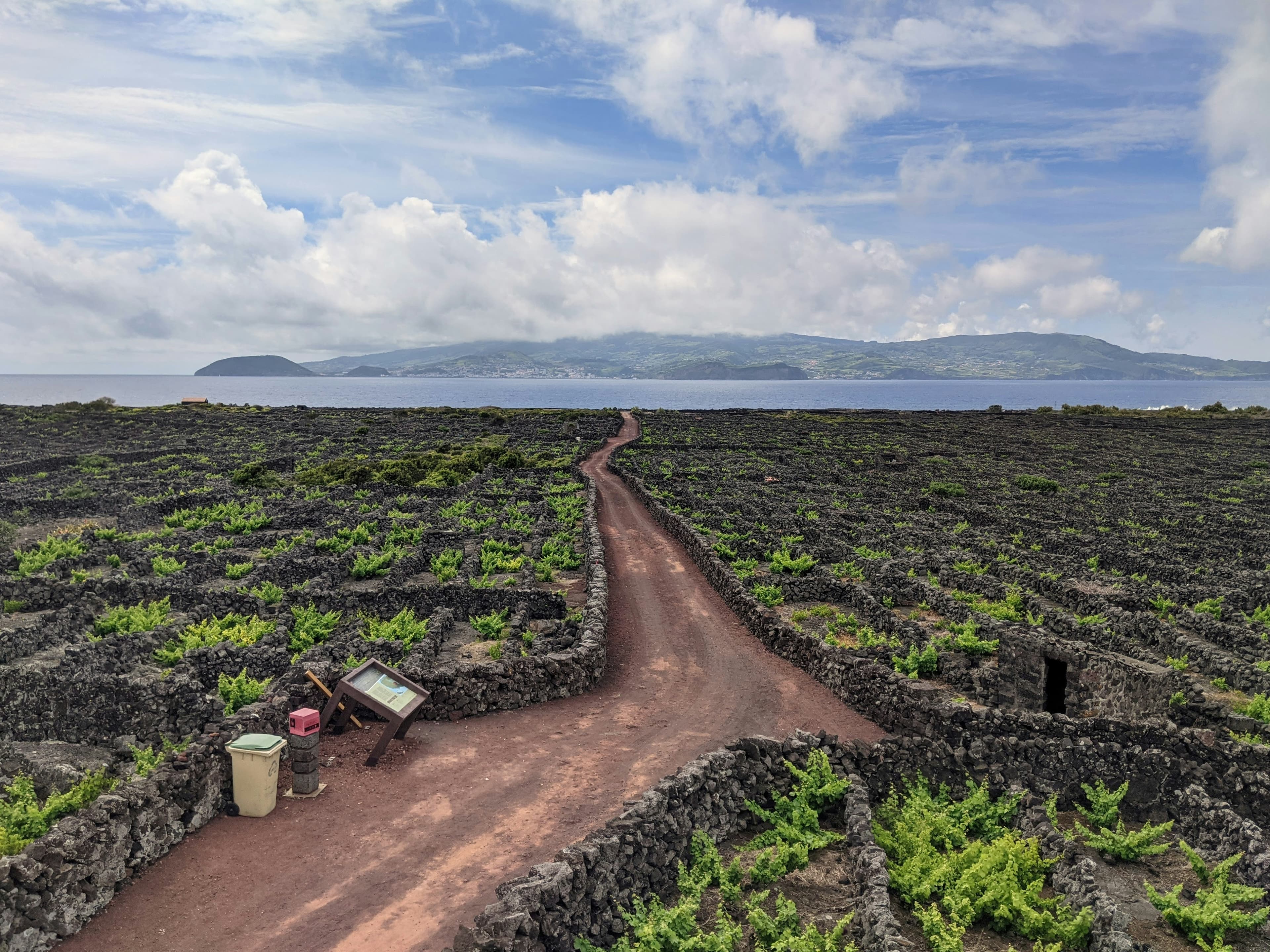
In the mid-19th century, wine production suffered a severe blow with the powdery mildew attack (1852), which severely affected European vines. Recovery was slow and made with new vine cuttings.
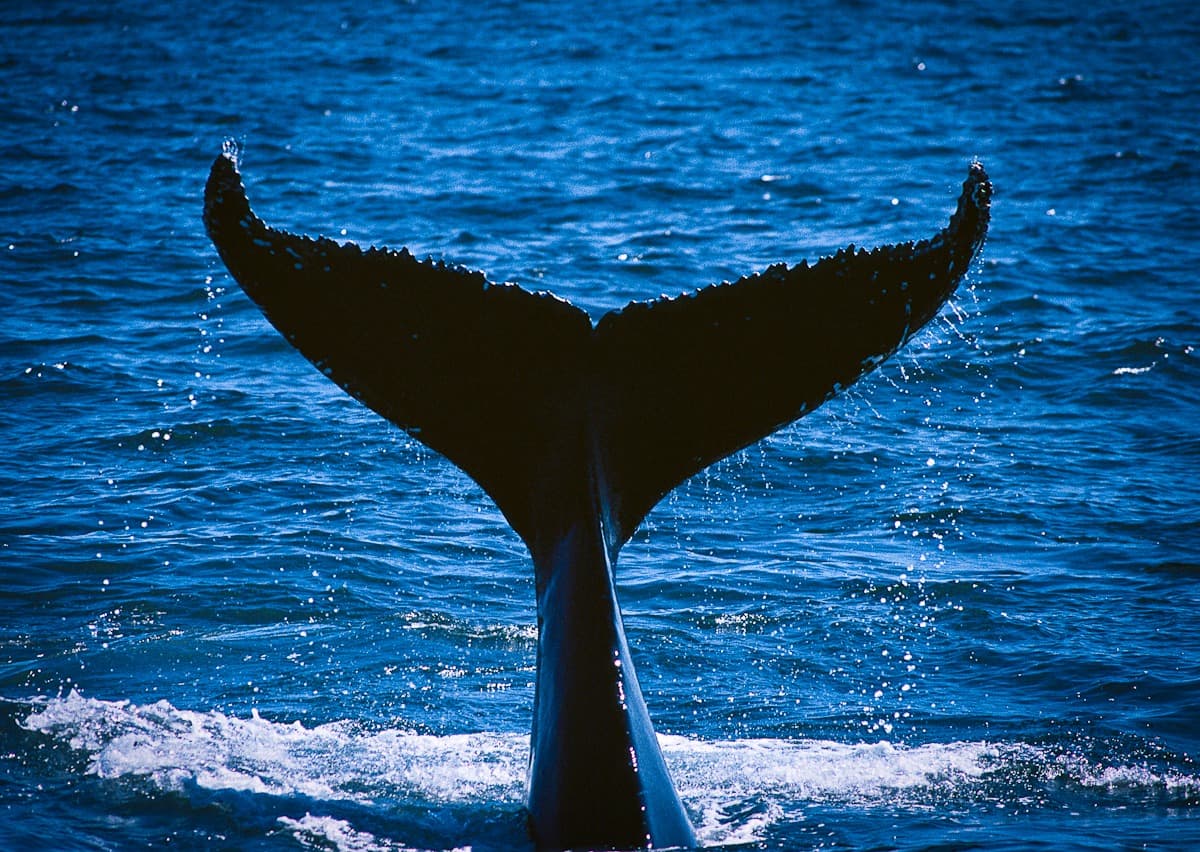
In the same period, the island was one of the main whaling centres during the golden age of sperm whale hunting. After hunting ceased, in the last quarter of the 20th century, the economy reinvented itself with tuna fishing, the canning industry and, more recently, cetacean watching tourism.
In July 2004, UNESCO classified the Pico Island Vineyard Culture Landscape as a World Heritage Site.
Heritage
In terms of natural heritage, the Gruta das Torres cave stands out, as well as the geological complex known as Furnas do Frei Matias.
In terms of cultural heritage, the Wine Museum in Madalena (housed in a former Carmelite Convent), the Whaling Industry Museum in São Roque do Pico, and the Whalers Museum in Lajes do Pico.
Montanha do Pico — 2 351 m
Lajes do Pico
The oldest
municipality of Pico.
The municipality of Lajes do Pico is the oldest on the island, with 154.35 km² of area and 4,711 inhabitants, subdivided into six parishes: São João, Lajes, Ribeiras, Calheta do Nesquim, Piedade and Ribeirinha.
The economic base of the municipality is strongly linked to livestock farming, especially cattle for meat and dairy production, as well as pig farming. The town also has a strong fishing tradition, particularly tuna fishing, and was for many years a centre of whaling activity.
Climate
The climate in this part of the island is temperate maritime, with average temperatures ranging between 14°C and 22°C. Rainfall is regular throughout the year, generally more pronounced in winter.
Culture & traditions
The cultural activities of Lajes do Pico are strongly marked by popular initiatives and traditions, some centuries old. The sea, volcanism and the isolation caused by insularity shaped the local mentality.
The Festas do Espírito Santo stand out, with about 500 years of history, seeking protection against volcanism, earthquakes and other natural disasters. This tradition was taken by Azoreans to various parts of the world, particularly North America (USA and Canada) and Brazil.
The ritual includes the crowning of a child with sceptre and crown, generally in silver (sometimes gold), as symbols of the Holy Spirit. The celebration occurs on the seventh Sunday after Easter.
The Festa dos Baleeiros also takes place in the last week of August, dating back to 1883.
Crafts
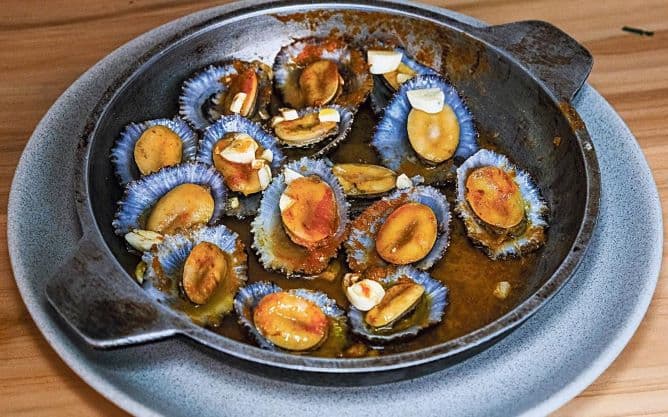
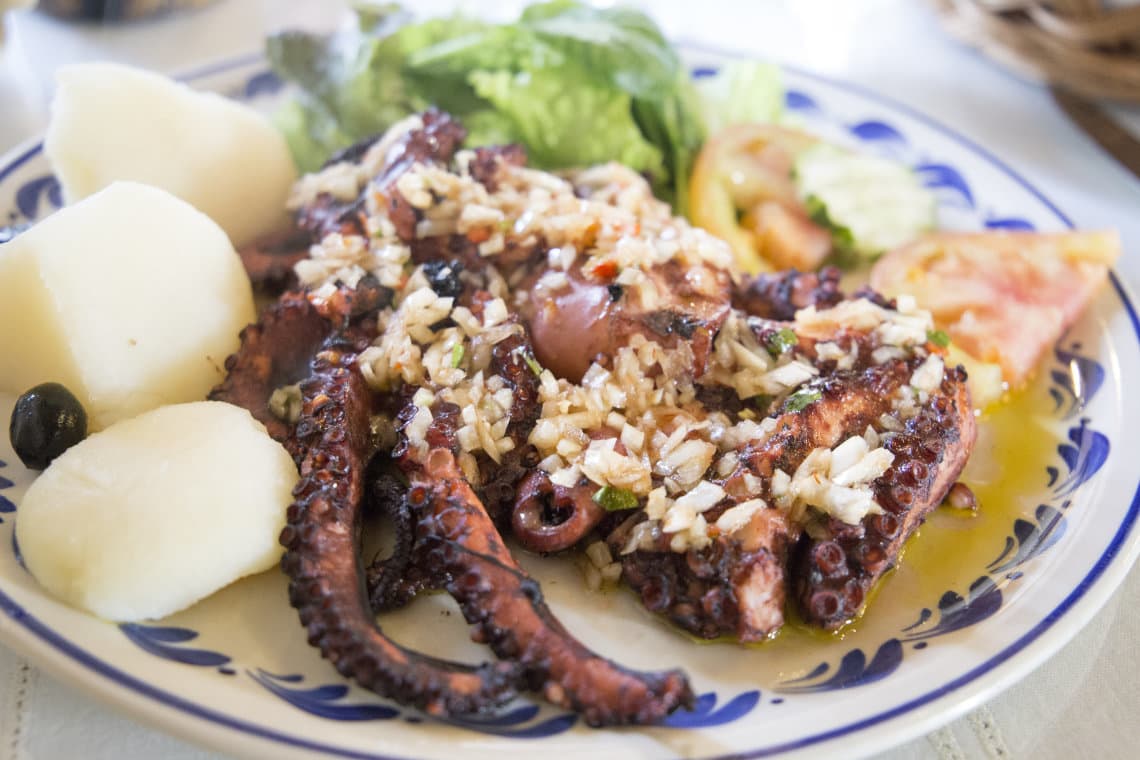
Gastronomy
Flavours of the island
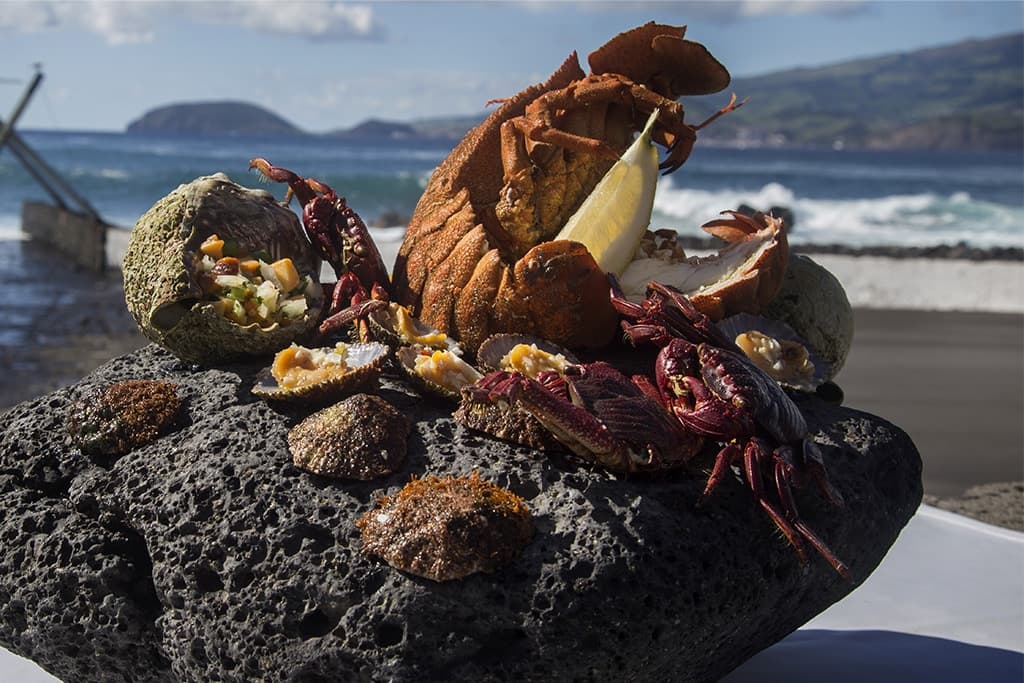
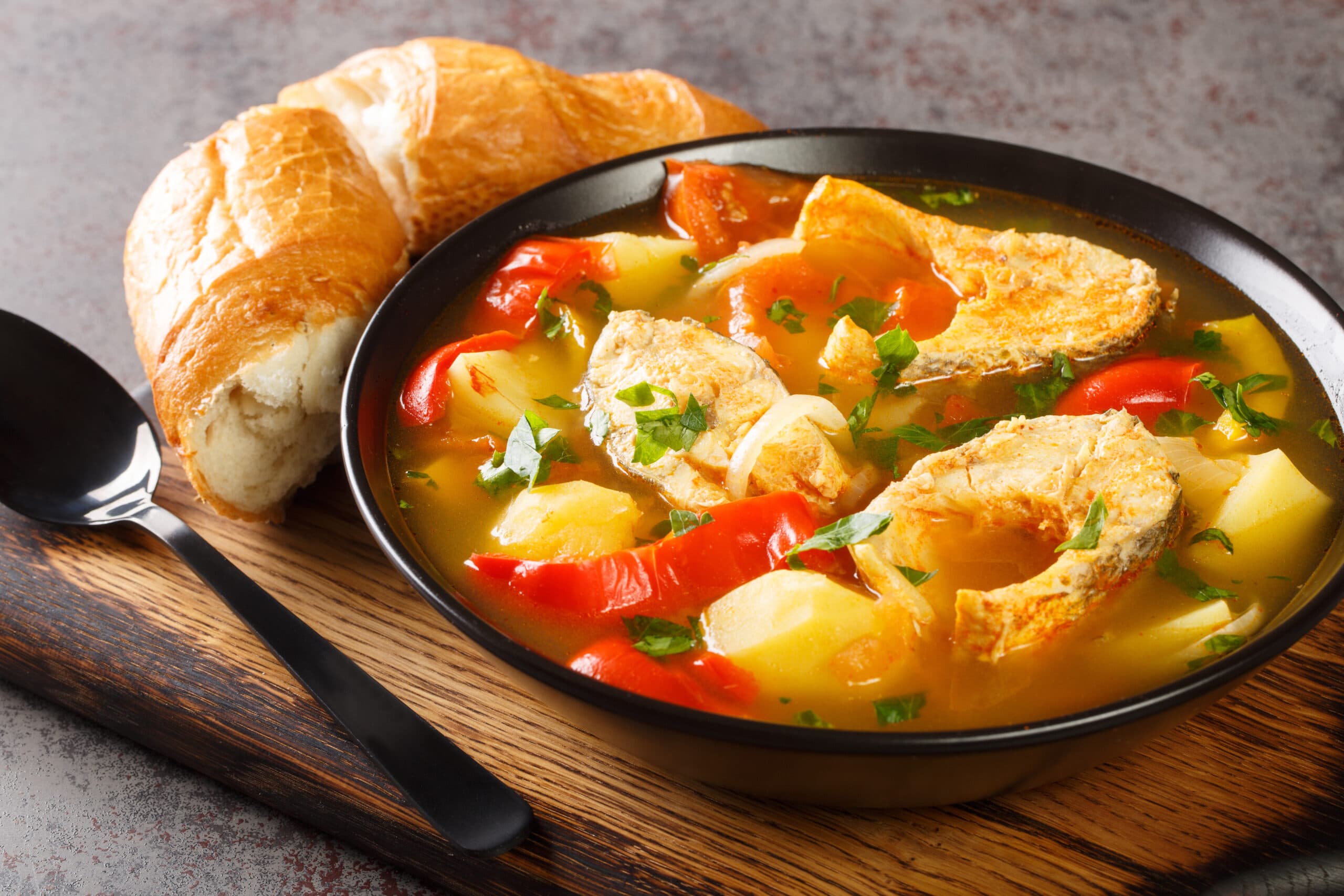
Enjoy the typical gastronomy of Pico Island:
From the sea
From the land
From the bakery
From the cellar
Ready to experience Pico?
Pick dates, check availability and confirm in minutes.